
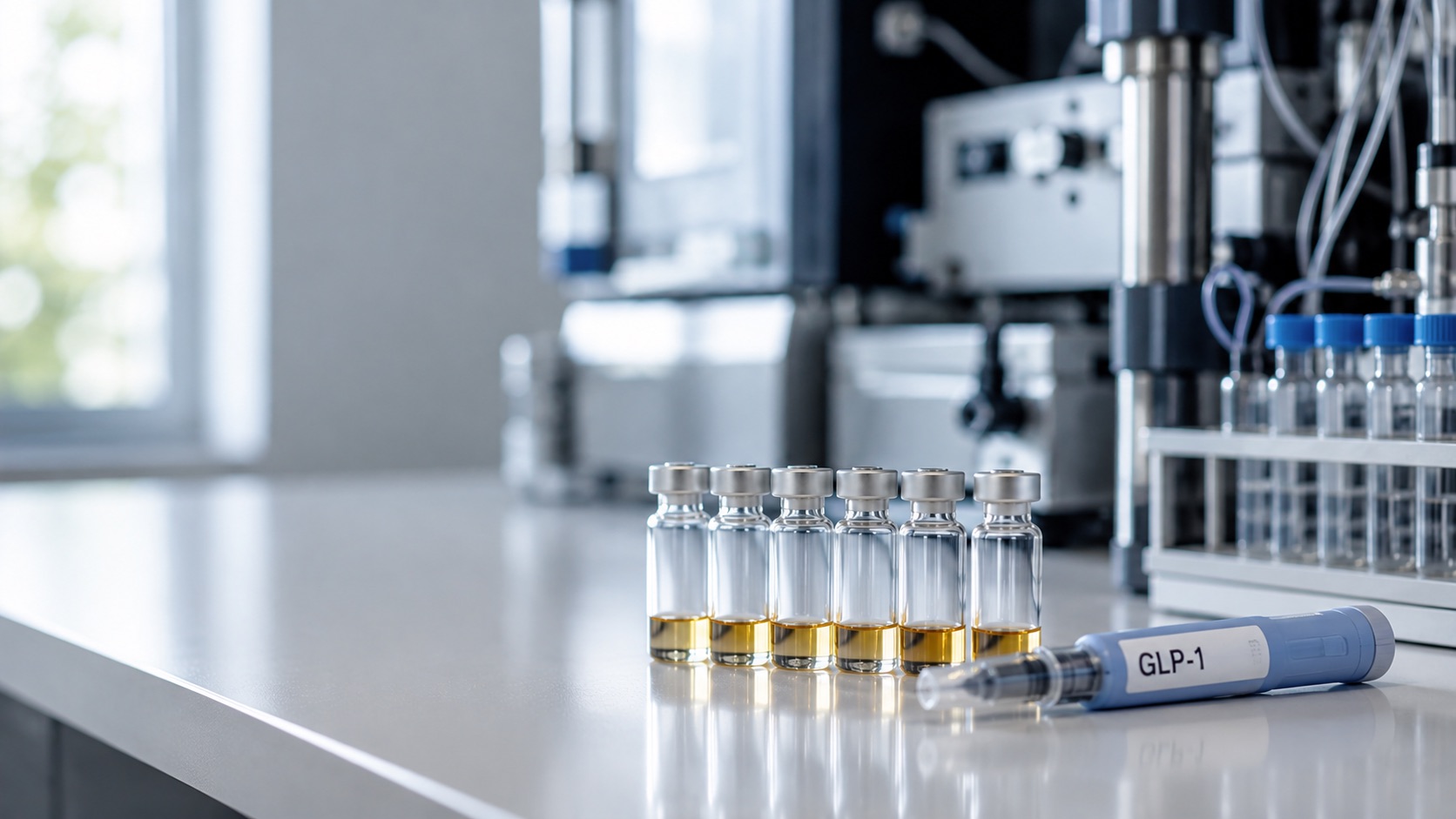
GLP-1 receptor agonists such as semaglutide and tirzepatide have moved rapidly from specialist diabetes care into broader metabolic disease and weight-management programs. As demand grows, bioequivalence studies are becoming more important for formulation development, generic programs, and regulated clinical comparison.
These molecules also create a practical analytical challenge. They are peptide-based, commonly measured at low concentration levels, and can be affected by matrix interferences, adsorption, recovery loss, and carryover. In this environment, the sample preparation workflow is no longer a supporting step. It becomes one of the main controls for sensitivity, reproducibility, and confidence in the final LC-MS/MS result.
Why Preparation Matters
Bioequivalence depends on comparing pharmacokinetic profiles with enough precision to support regulatory conclusions. If extraction recovery is inconsistent, or if matrix effects vary across subjects and time points, the analytical method may add variability that does not belong to the clinical sample itself.
A robust preparation method helps reduce these risks by improving selectivity before injection, concentrating the analyte where needed, and removing phospholipids, proteins, salts, and endogenous components that can interfere with ionization.
Common Workflow Pressures
- Low-ng/mL or sub-ng/mL quantification requirements.
- Protein binding and adsorption losses during handling.
- Matrix effect variation across plasma lots and patient samples.
- Need for repeatable extraction across large clinical batch sizes.
- Cleaner extracts to protect LC-MS/MS uptime during study execution.
Where SPE Adds Value
Solid phase extraction can support GLP-1 peptide methods by combining cleanup, enrichment, and method control in a repeatable format. The correct sorbent chemistry and wash/elution strategy can improve analyte recovery while reducing matrix burden before chromatographic separation.
For teams running bioequivalence studies, this means the preparation method should be evaluated alongside LC conditions and mass transitions. Recovery, matrix factor, process efficiency, dilution integrity, carryover, and batch ruggedness should all be tested under realistic study conditions.
Practical Development Approach
- Start with the target sensitivity and expected plasma concentration range.
- Screen extraction chemistries for recovery and matrix cleanup.
- Optimize wash strength to remove interference without analyte loss.
- Evaluate internal standard behavior across extraction and injection.
- Stress-test the workflow across plasma lots, analysts, and batch sizes.
Conclusion
As GLP-1 therapeutics continue expanding, bioanalytical methods must deliver clean, sensitive, and repeatable data at scale. Strong sample preparation gives LC-MS/MS methods a better foundation, especially when peptide recovery and matrix control decide whether a method is merely workable or truly study-ready.
GS Labloure supports bioanalytical teams with SPE products and application knowledge designed for reliable sample preparation in demanding LC-MS/MS workflows.